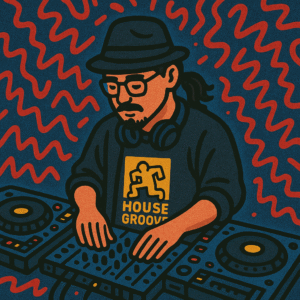
「音楽は単なるエンターテインメントではない。魂を癒やし、人々とスピリットを繋ぐための神聖なツールだ」
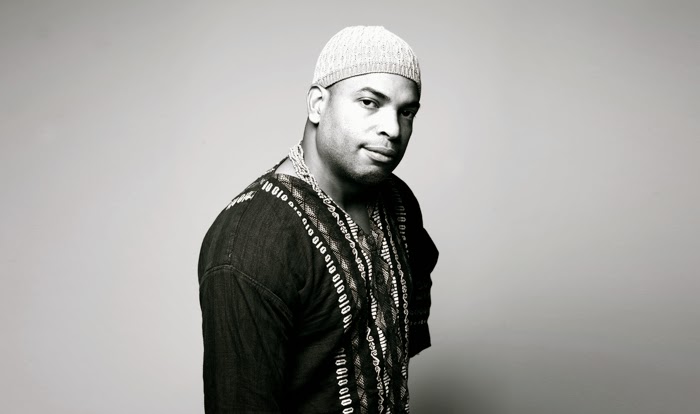
90年代後半のNYC 。レイヴカルチャーの狂騒や商業的なHOUSEミュージックがフロアを席巻する中、全く異なるアプローチで世界のダンスミュージックシーンに衝撃を与えたレジェンドが存在する 。彼の名前は、Joaquin “Joe” Claussell。エレクトロニックミュージックでありながら、生楽器の圧倒的なダイナミズムとアフリカ〜ラテンの呪術的なリズム、そしてJAZZの精神性を融合させた彼のサウンドは、のちにSPIRITUAL HOUSEという一大ジャンルを確立することになる。
今回のArtist Deep Diveでは、主宰レーベル”Spiritual Life Music”の歴史から 、彼の特異なリミックス哲学 、そしてクラブミュージックを音の「抽象画」として捉えるその深層まで 、数々のインタビュー記事などをもとに、Joe Claussellの歩みを深く掘り下げる。
“Music is not mere entertainment. It is a sacred tool to heal the soul and connect people with the spirit.”
In the late 90s in NYC, while the frenzy of rave culture and commercial HOUSE music dominated the dance floors, a legend emerged who shattered the status quo with a radically different approach. His name is Joaquin “Joe” Claussell. While rooted in electronic music, his sound fused the overwhelming dynamism of live instrumentation, the incantatory rhythms of Afro-Latin traditions, and the deep spirituality of JAZZ—ultimately establishing the monumental genre known as SPIRITUAL HOUSE.
In this Artist Deep Dive, we delve deep into the journey of Joe Claussell. Drawing from various interviews and archives, we explore everything from the history of his seminal label, Spiritual Life Music, to his idiosyncratic philosophy of the remix, and the profound depth of how he envisions club music as a sonic “visual art”.
カリブ系プエルトリコ人の血を引くNYC・ブロンクス生まれのJoe Claussellのバックボーンは、言葉にするのが難しいほどディープである 。
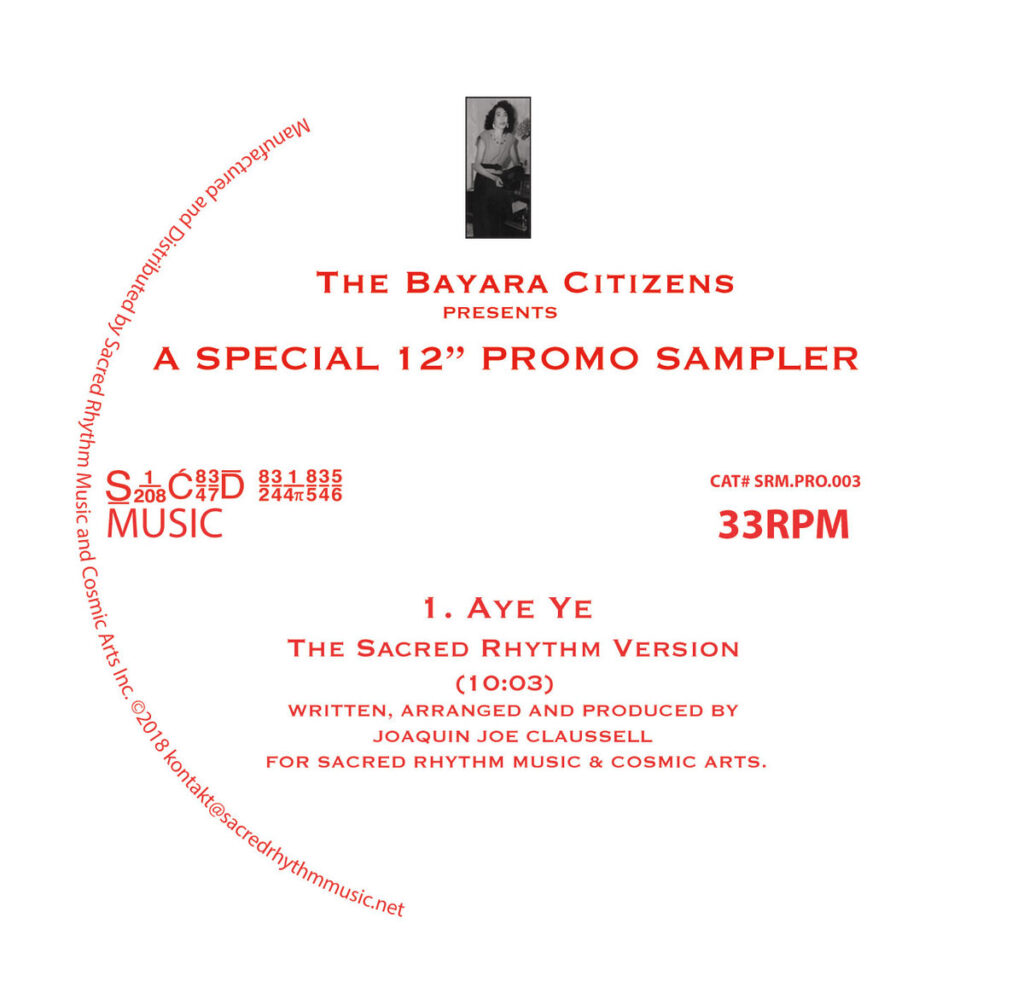
彼の家は極めて貧しかった 。18歳になるまで兄弟と一つのベッドを共有し、毎晩お気に入りの曲を口ずさみながらリズムを刻み合うことが、寝かしつけの絵本の代わりだったという 。レーベル”Sacred Rhythm“のロゴに描かれている、ステレオの前でレコードを持つ10代の女性は彼の母親であり、彼女の狂気的なまでの音楽愛ゆえに、自宅は近所から「3654番地のミュージック・ハウス」と呼ばれていた 。24時間音楽で目覚め、音楽とともに眠る環境が、彼の絶対的なライフフォースとなった 。
意外にも、青年期の彼はJAZZやLATINだけでなく、PUNKやスキンヘッド・カルチャーの過激な精神性にも深く傾倒していく 。この「周囲の流行に抗う反骨心」が、のちの彼のキャリアに深く影響していくことになる 。
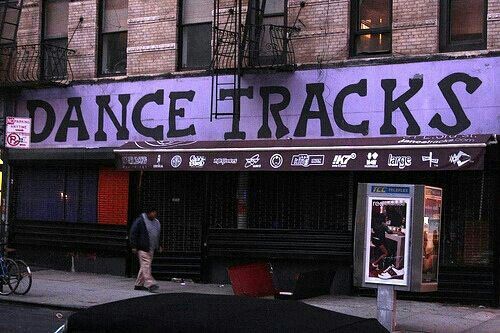
元々は腕の良い大工(木工所の職長)としてNYCのLower East Sideでかなりの稼ぎを得ていた彼は 、ある日、偶然見つけたレコードショップ「Dance Tracks」に設置されていた巨大なスピーカーの音響に惹かれ、店に通い詰めるようになる 。そこでバイヤーとして働き始め、世界中のあらゆる良質な音楽をディグした経験が、彼のジャンルレスな扉を開くこととなった 。
Born in the Bronx, NYC, with Afro-Puerto Rican roots, Joe Claussell’s background is deeper than words can express.
His family was impoverished; until the age of 18, he shared a single bed with his brothers. Instead of bedtime stories, they would spend every night humming their favorite tunes and tapping out rhythms together to fall asleep. The teenage woman holding a record in front of a stereo—depicted in the logo of his label, Sacred Rhythm—is his mother. Due to her fierce, almost obsessive love for music, their home was known throughout the neighborhood as the “3654 Music House.” Waking up and falling asleep to music 24/7 became his absolute lifeforce.
In his youth, he unexpectedly gravitated not only toward JAZZ and LATIN, but also toward the radical ethos of PUNK and skinhead subcultures. This rebellious spirit—a refusal to follow surrounding trends—would go on to deeply shape his subsequent career.
Originally, he earned a substantial income as a highly skilled carpenter and woodshop foreman in NYC’s Lower East Side. However, one day, he was drawn into a record shop called Dance Tracks by the sheer acoustics of the massive speakers installed inside. He began frequenting the shop, eventually working there as a buyer. His experience digging for exceptional music of all kinds from around the globe ultimately unlocked his genre-less doorway.
彼のプロダクションの歴史、およびレーベルの変遷は、常に商業主義へのアンチテーゼと必然性から生まれている 。
The history of his productions and the evolution of his labels have always been born out of necessity and as an antithesis to commercialism.
「Dance Tracks」の元のオーナーであるStan Hatzakisや、天才鍵盤奏者Tony Confusioneとの偶然のジャムから始動 。当時は音楽制作の経験など全くなく、自分たちをプロデューサーとして1ミリも大真面目に捉えていなかった 。 他人の音楽から素材を引っ張るサンプリング・ベースだったため、「お湯を注げばすぐできるインスタント・オートミール」と同じ手軽さ、という意味を込めて自嘲気味に命名された 。しかし、その衝動的な実験から生まれた『Lost Horizon』などの楽曲は、結果として時代を超越するラジカルな名曲となった 。
It all began with an accidental jam session between Stan Hazakis, the original owner of Dance Tracks, and Tony Confusione, a genius keyboardist. At the time, they had absolutely no experience in music production and did not view themselves as producers in the slightest. Because their work was sampling-based—pulling materials from other people’s music—they self-deprecatingly named the project after the sheer ease of “instant oatmeal that is ready as soon as you pour hot water.” However, the tracks born from that impulsive experimentation, such as Lost Horizon, ultimately became timeless, radical masterpieces.
90年代後半、ダンスミュージック界に押し寄せていたPROGRESSIVE HOUSEの商業的な波に対する、必然的な解毒剤として1996年に設立 。多くのプロデューサーがエゴや流行に流される中 、消えかけていたディープな音楽を守るために始動した 。「金にならない」という周囲の声を跳ね除け 、COSMIC、LIVE、AFRO、WORLD MUSICをダンスのフォーマットに融合し、市場を再定義した。
Established in 1996, the label was founded as an inevitable antidote to the commercial wave of PROGRESSIVE HOUSE that was sweeping through the dance music scene in the late 90s. While many producers were swayed by ego and trends, it was launched to protect the deep music that was on the verge of vanishing. Shrugging off the surrounding voices that claimed “it won’t make any money,” he fused COSMIC, LIVE, AFRO, and WORLD MUSIC into a dance format, redefining the market.
「自分の音楽を他人に委ねず、自らの手で純粋にリリースする場所」としてスタート。母親をモチーフにしたアートワーク、パッケージ、ヴァイナルの質感のすべてに明確な相関関係を持たせ 、10年、20年経っても風化しない物理的な芸術品としてのレコードに拘り続けている
It started as a place “to release his own music purely by his own hands, without leaving it to others.” By establishing a distinct correlation among the artwork—which motifs his mother—the packaging, and the very texture of the vinyl, he continues to obsess over records as physical pieces of art that will never fade, even after 10 or 20 years.
Joe Claussellにとって、他者の楽曲をリミックスすることは、単にドラムを差し替えたりコードを乗せたりするプログラミング作業ではない 。それは「アーティストが本来伝えようとしたビジョン(物語)の拡張」である 。
制作前には必ず「瞑想」を行い、リズムの神聖な精霊や先祖にアプローチの許可を乞う 。スタジオでは緻密な実験が繰り返され、最終形に至るまでに少なくとも10種類は異なるバージョンが生まれるという 。
「俺の音楽はインスタントではない。本当に解剖するように聴きたいなら、ヘッドホンをつけて聴いてほしい」と彼は語る 。彼の作品には、楽器同士が調和を持ってコミュニケーションを交わす精緻な「言語」が仕込まれており、意味のない音は一つもない 。それはさながら、ギャラリーで時間をかけて鑑賞する「聴く抽象画」であり、宇宙の中に別の宇宙を音で描き出す作業そのものなのである。
For Joe Claussell, remixing another artist’s work is never a mere programming task of swapping drums or layering chords. It is “an extension of the vision—the story—that the original artist truly intended to convey.”
Before stepping into production, he always engages in literal meditation, seeking permission from the sacred spirits of rhythm and his ancestors to approach the music. Within the studio, meticulous experimentation is repeated, with reports suggesting that at least ten different versions are birthed before reaching the final form.
“My music is not instant. If you really want to dissect it, put on headphones,” he states. Embedded within his works is a precise “language” through which instruments communicate with one another in perfect harmony; not a single sound is without meaning. It is akin to a sonic “visual art” that demands time and contemplation in a gallery—the very act of painting another universe within the universe through sound.
「スピーカーが2発と、赤いライトが1つ、そして暗闇。それだけでいい。重要なのはヴァイブレーションだ」
現代のInstagramベースのファストな世界において、多くのDJが台座の上に立ち、「俺を見ろ」とエゴを肥大化させている現状を、彼は「反吐が出るほど嫌いだ」と切り捨てる 。
Joe Claussellは自身を「DJ」とは呼ばないし、その肩書きを名前の横に添えることすら拒む 。「DJ、リスナー、ダンサーの3つから1つを捨てろと言われたら、迷わずDJを捨てる」と断言する通り、彼の本質はParadise Garageのフロアで最初から最後まで踊り狂っていた純粋な「ダンサー」であり「ディープ・リスナー」なのだ 。
1996年、憧れのヒーローであったFrancois Kから伝説のパーティー「Body & SOUL」への加入を誘われた際も、自分の城(Dance Tracks)への愛着から一度は断っている 。しかし4ヶ月後、Larry Levanのバースデーパーティーをきっかけに一度きりの約束で参加 。そこで彼は、他の重鎮DJたちが過去のクラシックをかける中、Louie Vegaから貰ったばかりの未発表の新曲をぶち込み、一晩でその場所のアンセムへと変えてみせた 。
周りが何と言おうと関係ない。自分の流儀を持ち込み、そのジャンルの現状に一石を投じる存在――彼は自らを、故Lee Perryの言葉を借りて「Upsetter(番狂わせ、現状をひっくり返す者)」と呼ぶ 。
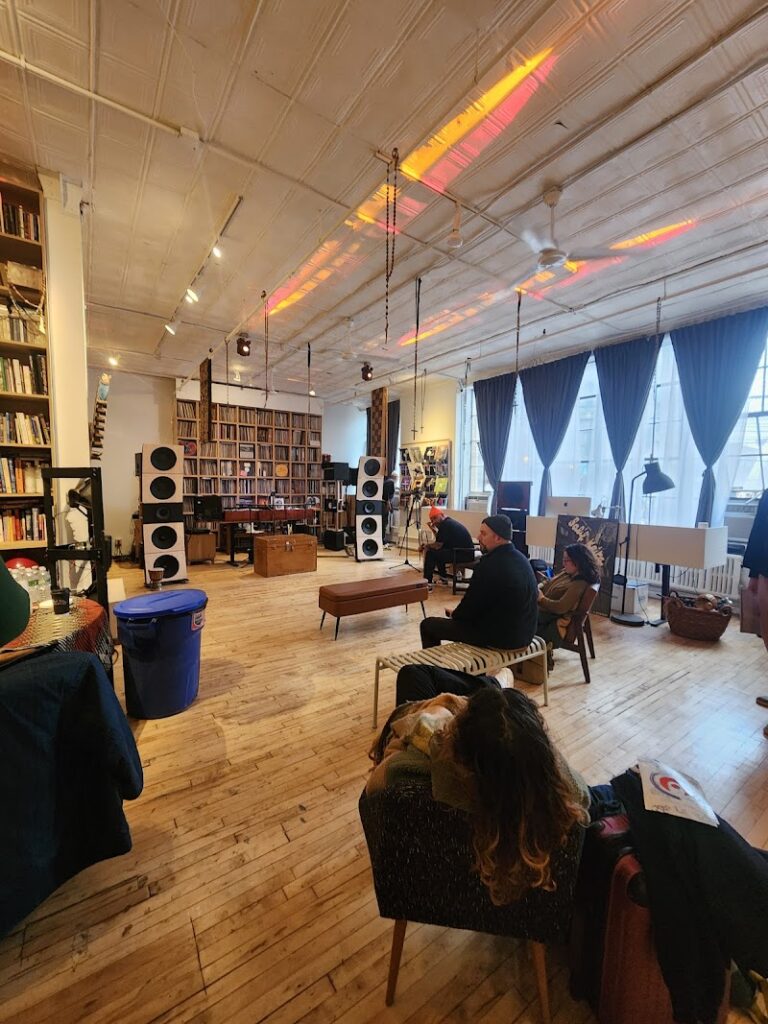
彼が主宰する空間「Cosmic Arts」もまた、その「Upsetter」としての解毒剤だ 。週末はレコード屋、平日は文化センターやアートギャラリー、スピリチュアルセンターへと姿を変えるその聖域は、金儲けのためではなく、コミュニティの黒人やラティーノの仲間がフィルターなしで声を上げられるハブである 。
一歩足を踏み入れた瞬間に、誰もがHomeのような心地よさと調和を感じる場所 。彼はDJブースという高みから見下ろす王ではなく、傷つき、事情を抱えて集まる人々へ、音楽というバイブレーションを通じて100%のエネルギーで奉仕する責任を、今も静かに全うしている 。
“Two speakers, one red light, and darkness. That’s all you need. What matters is the vibration.”
In today’s Instagram-driven, fast-paced world, where many DJs stand on pedestals to inflate their egos with a “look at me” attitude, he dismisses the current state of the scene, stating that he “despises it to the core.”
Joe Claussell does not call himself a “DJ,” and he flatly refuses to even have that title attached to his name. As evidenced by his assertion—”If I had to throw away one of the three—being a DJ, a listener, or a dancer—I would throw away DJing without hesitation”—his true essence remains that of a pure “dancer” and a “deep listener” who used to dance from start to finish on the floor of the Paradise Garage.
In 1996, when invited by his hero Francois K to join the legendary party Body & SOUL, he initially declined out of sheer attachment to his own sanctuary, Dance Tracks. However, four months later, sparked by a Larry Levan birthday celebration, he agreed to participate for just one night. While other heavyweight DJs played familiar past classics, he dropped a brand-new, unreleased track he had just received from Louie Vega, transforming it into the anthem of the venue in a single night.
He does not care what anyone else says. An entity that brings his own raw style to challenge and disrupt the status quo of the genre—he calls himself an “Upsetter,” borrowing the term from the late Lee Perry.
His curated space, Cosmic Arts, serves as another antidote from his “Upsetter” ethos. Transforming into a record store on weekends and a cultural center, art gallery, or spiritual hub during the week, this sanctuary is not built for profit. Instead, it exists as a platform where Black and Latino brothers and sisters from the community can raise their voices completely unfiltered.
The moment anyone steps inside, they feel the harmony and comfort of being “Home.” Rather than a king looking down from the heights of a DJ booth, he continues to quietly fulfill his responsibility: serving people who gather with their own wounds and struggles, giving 100% of his energy through the pure vibration of music.
最後に、Joe Claussellの歴史を紐解く上で、決して外すことのできないタイムレスをいくつか紹介したい。
Finally, we would like to present a few timeless tracks that are absolutely essential to unlocking the history of Joe Claussell